The Takeaway Latte Test: How Cup Choice and Flavour Design Shape the Drink After It Leaves the Counter

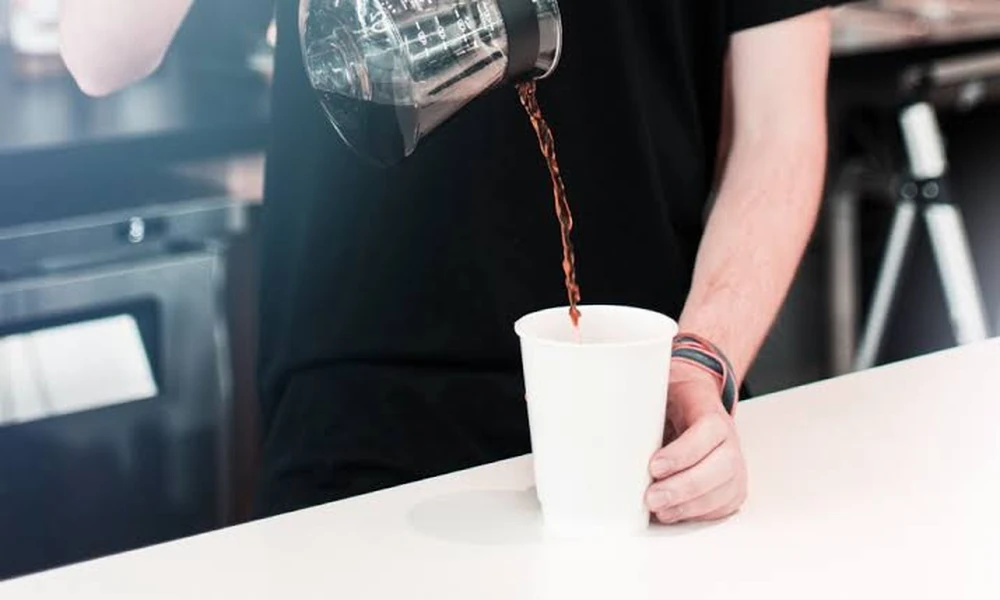
A takeaway latte is experienced differently from the same drink served at a table. It may be carried through cold air, left on a desk, sipped through a lid and consumed over twenty minutes rather than five. Those changes affect temperature, aroma, sweetness and texture long after the barista has finished the drink.
Operators therefore need to design takeaway beverages as complete products. The cup, lid, recipe and flavour dose must work together under real conditions. A drink that tastes balanced at the counter can become overly sweet or disappointingly cool by the time the customer reaches work.
Cup construction changes the drinking experience
Single-wall, double-wall and ripple-wall cups provide different levels of insulation and handling comfort. The right choice depends on drink temperature, service speed and whether sleeves are part of the operation.
A cup that becomes uncomfortable to hold can undermine an otherwise well-made drink. Excessive insulation, however, may increase cost without adding value for smaller or quickly consumed beverages.
Lid fit is equally important. A secure, compatible lid supports customer confidence and reduces the risk of leaks during travel.
Operators should test the complete cup-and-lid combination with actual menu drinks rather than selecting each item separately.
This part of the decision deserves attention because disposable coffee cups and coffee syrups are often purchased as isolated products even though the customer experiences them together. A useful plan connects product choice with preparation, service and the moment the drink is consumed. It is worth reviewing the decision in the normal service environment rather than relying only on a supplier description or a quiet tasting. Temperature, preparation time, cup size and the people using the product can all change whether the choice feels successful after repeated use.
Size influences flavour as much as value perception
Increasing cup size without adjusting the coffee and syrup recipe creates dilution. Customers may perceive a larger drink as better value, but the flavour can become weak and unbalanced.
Every takeaway size needs a defined number of espresso shots, milk quantity and syrup dose. Staff should not rely on guesswork or simply add more milk to fill the cup.
Smaller drinks often preserve coffee character more easily, while larger sizes may need an additional shot or a deliberately stronger base recipe.
Clear size architecture protects both customer expectations and ingredient margins.
For UK buyers, the practical test is whether the choice remains workable after the first week. Stock movement, staff confidence and repeated drink quality reveal far more than an impressive one-off tasting. It is worth reviewing the decision in the normal service environment rather than relying only on a supplier description or a quiet tasting. Temperature, preparation time, cup size and the people using the product can all change whether the choice feels successful after repeated use.
Sweetness changes as the drink cools
Temperature affects how flavour is perceived. A hot drink may initially hide sweetness, which becomes more obvious as it cools during a journey.
This is especially relevant for flavoured lattes. A dose that seems moderate at the counter can feel heavy near the end of the cup.
Testing should include tasting at several temperatures and after the likely travel time. This gives a more realistic view than judging only the first sip.
Balanced recipes encourage customers to finish the drink rather than abandoning the final overly sweet portion.
The strongest approach is to make one controlled change at a time and record the result. That prevents a problem in equipment, recipe or handling from being incorrectly attributed to the product itself. It is worth reviewing the decision in the normal service environment rather than relying only on a supplier description or a quiet tasting. Temperature, preparation time, cup size and the people using the product can all change whether the choice feels successful after repeated use.
Match syrup character to the takeaway format
Familiar flavours such as vanilla, caramel and hazelnut are easy to communicate quickly, while more unusual options may need a clear menu description.
Some delicate floral or fruit notes may become harder to detect in large, milky takeaway drinks. Richer nut, spice and dessert flavours often remain more recognisable over time.
Seasonal drinks should be built around the cup sizes most commonly purchased, not just a small tasting vessel used during development.
The goal is a flavour that remains clear without requiring an excessive dose.
This is also where clear internal guidance helps. A short recipe or purchasing note can preserve the original intention when several people order, prepare or serve the product. It is worth reviewing the decision in the normal service environment rather than relying only on a supplier description or a quiet tasting. Temperature, preparation time, cup size and the people using the product can all change whether the choice feels successful after repeated use.
Presentation still matters with a lid on
Takeaway service removes latte art from much of the customer experience, so cup appearance and clean handover become more important.
A cup should be free from drips, properly lidded and clearly marked when several drinks are ordered together. Branded or thoughtfully selected packaging can reinforce the business identity.
Seasonal cups can support a campaign, but they should not create confusing stock overlap or incompatible lid sizes.
Practical presentation builds trust before the customer takes the first sip.
Commercial operators should include customer behaviour in the review. What people reorder, finish and recommend is often more useful than what attracts initial curiosity. It is worth reviewing the decision in the normal service environment rather than relying only on a supplier description or a quiet tasting. Temperature, preparation time, cup size and the people using the product can all change whether the choice feels successful after repeated use.
Design the bar for fast, accurate assembly
Cups, lids and syrups should be positioned according to the order in which drinks are built. Poor layout creates unnecessary movement and increases the chance of using the wrong size or flavour.
Measured pumps and labelled bottles help staff reproduce recipes under pressure. Cup markings or order labels reduce handover errors during busy periods.
A short takeaway quality check can include lid security, cup cleanliness, correct size and drink identification.
Efficient design protects speed without treating accuracy as optional.
Home users can apply the same logic on a smaller scale by choosing realistic pack sizes and testing the product in their normal mug, brewer and routine rather than under idealised conditions. It is worth reviewing the decision in the normal service environment rather than relying only on a supplier description or a quiet tasting. Temperature, preparation time, cup size and the people using the product can all change whether the choice feels successful after repeated use.
Review cost per completed drink
The commercial cost of a takeaway latte includes coffee, milk, syrup, cup, lid, labour and possible waste. Looking only at the syrup or cup price gives an incomplete picture.
Premium packaging may be justified when it reduces sleeves, improves handling or supports brand positioning. Similarly, controlled syrup dosing can improve consistency and reduce over-pouring.
Operators should monitor remakes and complaints because leakage, weak flavour or excessive sweetness all create hidden costs.
The best system balances customer experience with a recipe and packaging structure the business can sustain.
No single specification solves every setting. Volume, audience, equipment and desired flavour all influence whether a decision is genuinely suitable. It is worth reviewing the decision in the normal service environment rather than relying only on a supplier description or a quiet tasting. Temperature, preparation time, cup size and the people using the product can all change whether the choice feels successful after repeated use.
Final thoughts
Takeaway drinks need to be tested beyond the café counter. Disposable coffee cups influence heat, handling and presentation, while coffee syrups shape how the flavour develops as the drink cools. When cup size, lid choice and recipe are designed together, operators can serve a latte that remains balanced and enjoyable throughout the customer’s journey.
Frequently asked questions
Are double-wall cups always better for takeaway coffee?
Not always. They can improve insulation, but the right choice depends on drink size, serving temperature, cost and whether sleeves are already used.
Should larger flavoured lattes receive more syrup?
The recipe may need adjustment, but increasing syrup alone can make the drink unbalanced. Coffee strength, milk volume and sweetness should be tested together.
Why should cafés taste takeaway drinks after ten or twenty minutes?
Because temperature and travel time change aroma, sweetness and texture. Delayed tasting shows how the customer is likely to experience most of the drink.